
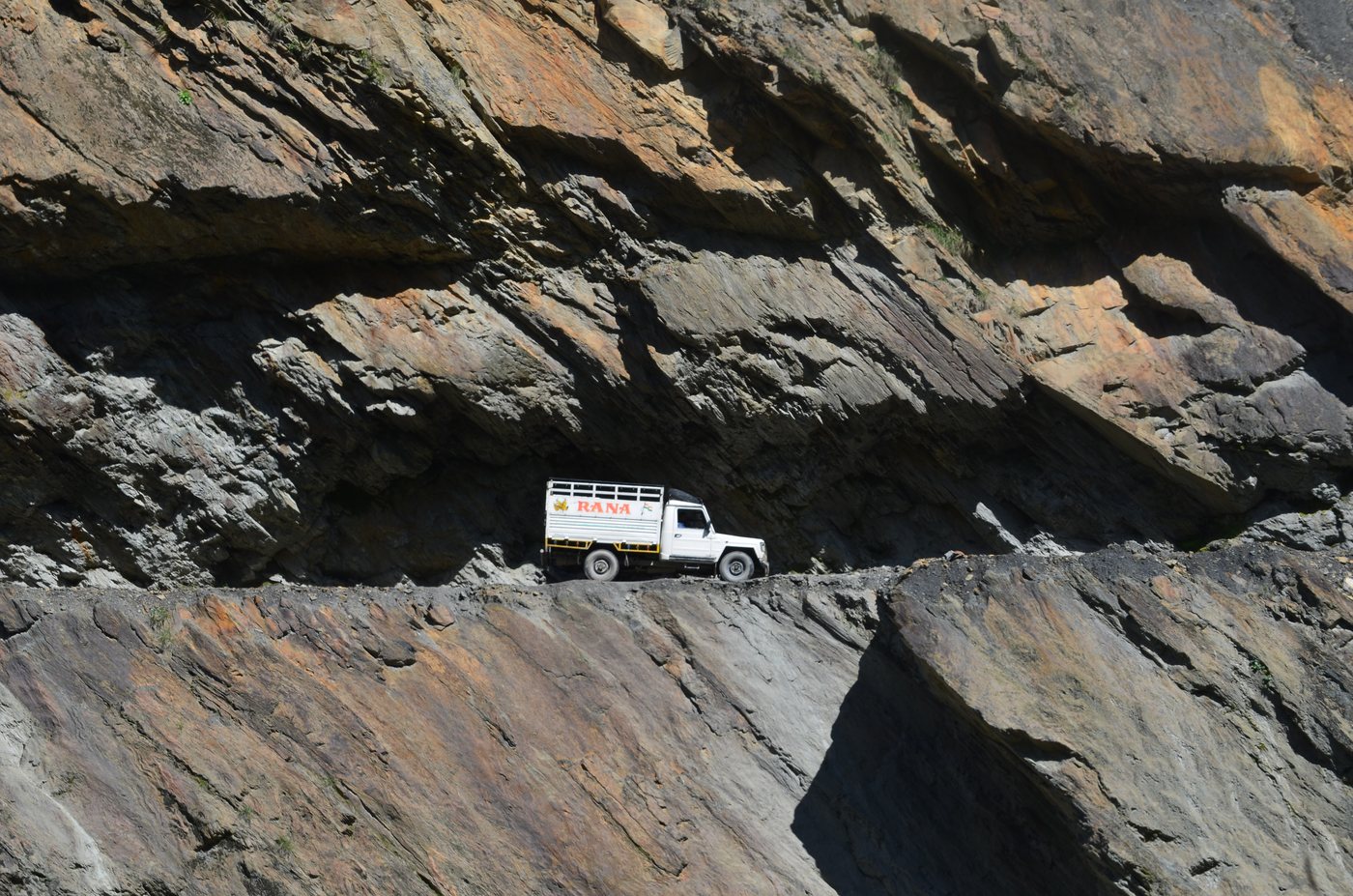
Most guides to Himachal Pradesh treat Pangi Valley as a footnote — a wild detour off the Manali or Chamba circuit for people who've already done Spiti. That's fair, in a way. Pangi isn't set up for easy tourism, and it doesn't want to be. There are no resorts here, no fixed departure jeeps, no Wi-Fi-equipped cafes. What there is: twelve homestays, five sub-valleys, and a community that's building its own tourism model rather than waiting for someone else to build it for them.
This guide is the practical version — what it actually takes to get here, what a stay costs, and which cluster suits the trip you're planning.
How remote is Pangi, really?
Pangi sits in the Chamba district of Himachal Pradesh, wedged between the Pir Panjal and Zanskar ranges along the Chandrabhaga (Chenab) river. The valley spans roughly 1,600 sq km at elevations between 7,000 and 11,000 ft, and for six to eight months of the year — roughly October through May — it's cut off from the rest of the state by snow. Killar, the administrative headquarters, sits at around 2,600m (8,500 ft) in a narrow gorge on the Chenab.
That isolation is the whole point for a lot of travellers, but it also means Pangi rewards planning more than spontaneity.
Getting there: two routes, both demanding
There are two realistic ways in, and neither is quick:
- Via Sach Pass — Chamba → Bairagarh → Sach Pass → Killar. Roughly 170 km from Chamba, and a full day's drive on rough terrain. Sach Pass itself (around 4,400m) is only open roughly June to September, so this route simply doesn't exist the rest of the year.
- Via Manali–Keylong–Tindi — Manali → Atal Tunnel → Keylong → Udaipur → Tindi → Killar. Around 230 km, roughly 12 hours. This is the more dependable route in shoulder season, though it's still a long, winding drive.
The five clusters, and which one to pick
Pangi's homestays are spread across five sub-valleys, each with a distinct character:
- Chanderbhaga — the valley floor running through Killar itself. The most accessible cluster, and the natural first stop coming in from either direction. Five homestays here.
- Sural — Sural Tai and Sural Bhatori, framed by snow-capped peaks on both sides, with a newly built monastery near Sural Bhatori. Three homestays.
- Kumar Parmar — home to Kumar village's weaver's society and hosts with deep local history. Two homestays.
- Sechu — on the edge of the Sechu Tuwan core zone, the pick for wildlife-focused travellers. One homestay.
- Chasak Bhatori — one of the valley's oldest-settled areas, known for kotha-style stone, wood and mud construction. One homestay.
A sixth sub-valley, Hudan, is named on Pangi Tourism's own site but has no individually listed homestays yet — worth watching if you're planning a return trip.
What a homestay actually costs
Rates run ₹1,500–2,000 per person, per night, paid directly to the hosting family — there's no agent or platform fee stacked on top. That typically includes a room and home-cooked meals; specifics vary by host, so it's worth confirming directly when you book. Availability shifts with the season, and given how few rooms exist per village, booking ahead matters more here than almost anywhere else in Himachal.
When to go
Summer — roughly June through September — is when Pangi is actually reachable and at its greenest, coinciding with the Sach Pass route being open. Outside that window, plan around the Manali–Tindi route and expect a longer, colder drive. Pack for genuine cold regardless of season; weather here shifts fast, and the valley's elevation doesn't forgive being underprepared.
Ready to look at the homestays themselves?
Twelve listings, real hosts, real prices — filterable by cluster.
Browse Pangi Valley homestays →