
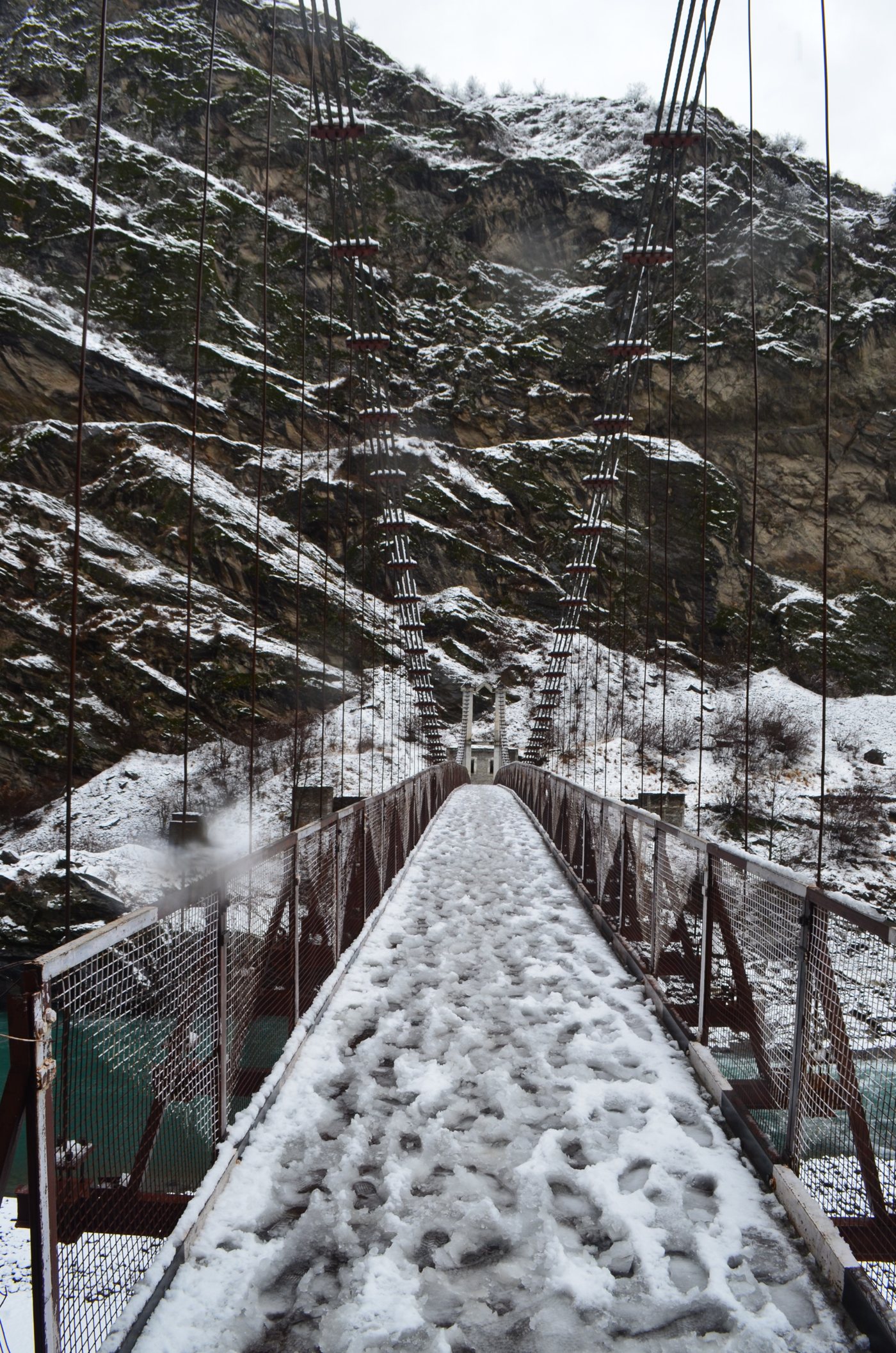
Pangi sits at elevations between roughly 2,400m and 3,350m, with Killar itself around 2,500m and Sach Pass — the main entry point — at a genuinely high 4,400m. That altitude, combined with the valley's narrow, snow-vulnerable roads, means the visiting window is short and the shoulder seasons carry real risk of getting stuck either direction. Here's how the year actually breaks down.
June to September: the window
This is when Pangi is reachable and at its greenest. Sach Pass typically opens in mid-to-late June, depending on that year's snowfall and how quickly the Border Roads Organisation can clear it — some years it's open by the first week of June, in heavy-snow years not until early July. Daytime temperatures through this window generally sit in a comfortable range, though nights turn cold fast, especially above 3,000m, so layering matters even in July.
July–August: green, but wetter
This is also monsoon season, and while Pangi sits in a rain shadow that spares it the heaviest monsoon rainfall other parts of Himachal see, occasional heavy rain and the resulting risk of landslides on the narrow mountain roads is real. Manageable, but worth building slack into your travel dates rather than a tight itinerary with no buffer day.
September: the recommended pick
If you want the most stable roads and weather with the least crowding, September is generally the strongest single month — the monsoon has passed, Sach Pass is reliably open, and the valley is still green heading into autumn. This is the month most seasoned Pangi travellers point to first.
Late September–October: the closing window
Still accessible, cooler, fewer visitors — but watch the weather closely. Early snow can close Sach Pass with little warning, and getting the timing of your exit wrong here means a much longer detour out via the Manali–Tindi route, or getting stuck until the following June.
November to May: don't plan a trip
Pangi is completely cut off by road for this entire stretch. Both entry routes — Sach Pass and the Udaipur–Tindi road — become impassable. There's no regular way in or out; helicopter service exists for emergencies only, not for tourism. This isn't a valley with a "quieter winter season" for adventurous travellers the way some Himalayan destinations have — it's simply closed.
Which season for which trip
Want the greenest valley and the most homestay availability: June–July, book well ahead. Want the most reliable roads and weather: September. Want fewer people and don't mind rolling the dice on an early closure: late September into October, with a flexible return date. There's no wrong choice within June–September — there's only "before the window opens" and "after it closes," and neither of those is a trip you can plan around.
Start planning your window
Twelve homestays, five clusters — check availability once you've picked your dates.
Browse Pangi Valley homestays →